

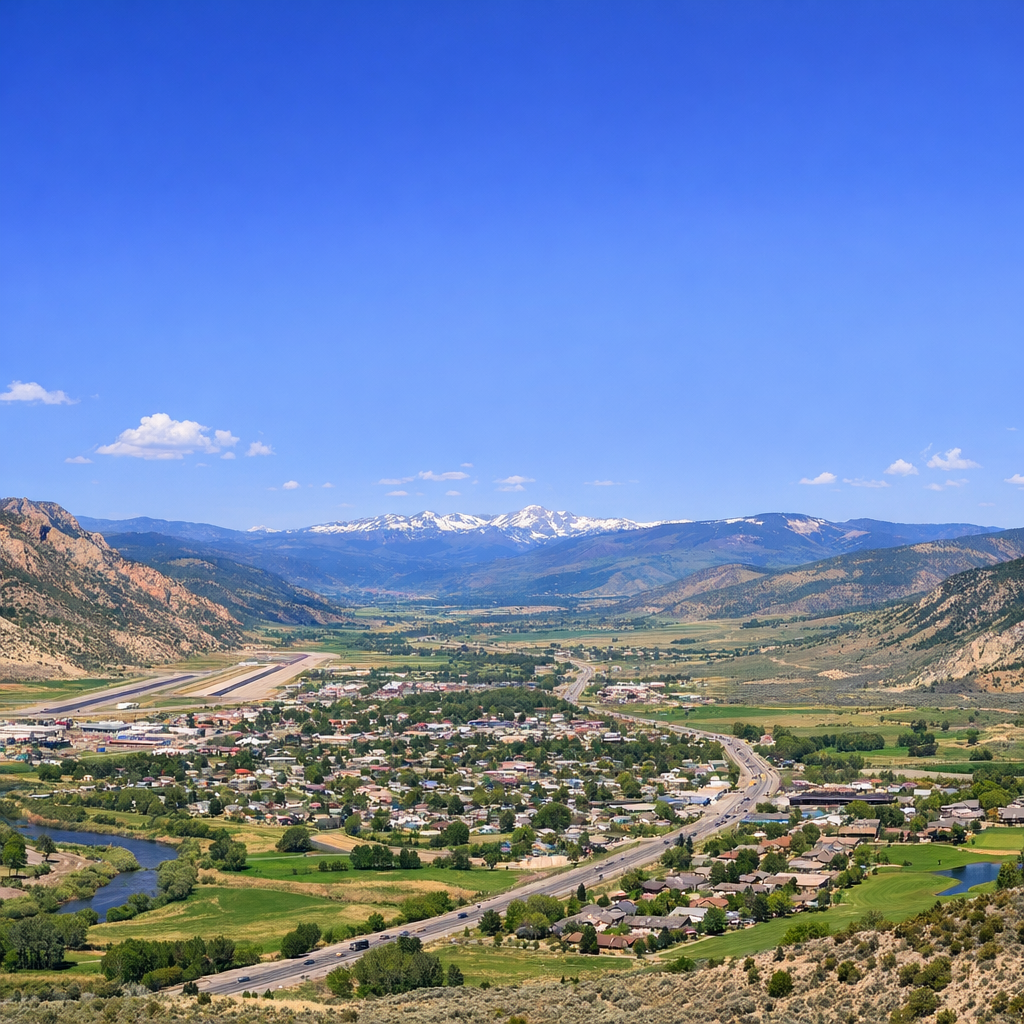
Gypsum, Colorado, experiences a diverse climate characterized by warm, dry summers and cold, snowy winters. Understanding these patterns is essential for residents and visitors alike.
Seasonal Weather Patterns
During the summer months, from June to mid-September, Gypsum enjoys average high temperatures above 73°F, with July being the warmest month, averaging a high of 83°F and a low of 49°F. Winters, spanning late November to late February, bring average daily highs below 42°F, with January being the coldest month, averaging a low of 10°F and a high of 33°F.
Precipitation varies throughout the year. April typically sees the highest rainfall, averaging 2.36 inches, while September is the driest month, averaging 0.87 inches. Snowfall is significant during the winter, with February averaging 13.74 inches, making it the snowiest month.
Environmental Considerations
Gypsum’s unique geological composition includes substantial gypsum deposits, which have both economic and environmental implications. The town is home to Colorado’s largest gypsum mine, operated by American Gypsum Company. This mine and its associated wallboard plant produce about 600 million square feet of drywall annually and employ nearly 100 people.
While gypsum mining contributes to the local economy, it also presents environmental challenges. Open-pit mining can lead to habitat disruption, dust emissions, and water contamination. Additionally, gypsum’s solubility can result in the formation of sinkholes and other karst features, posing risks to infrastructure and water quality.
To mitigate these impacts, sustainable mining practices and environmental assessments are crucial. For instance, the Bureau of Land Management sought public comments on an environmental assessment of American Gypsum’s expansion proposal, highlighting the importance of community involvement in environmental decision-making.
Understanding Gypsum’s climate and environmental landscape is vital for informed community planning and sustainable development, ensuring that the town’s natural resources are managed responsibly for future generations.