

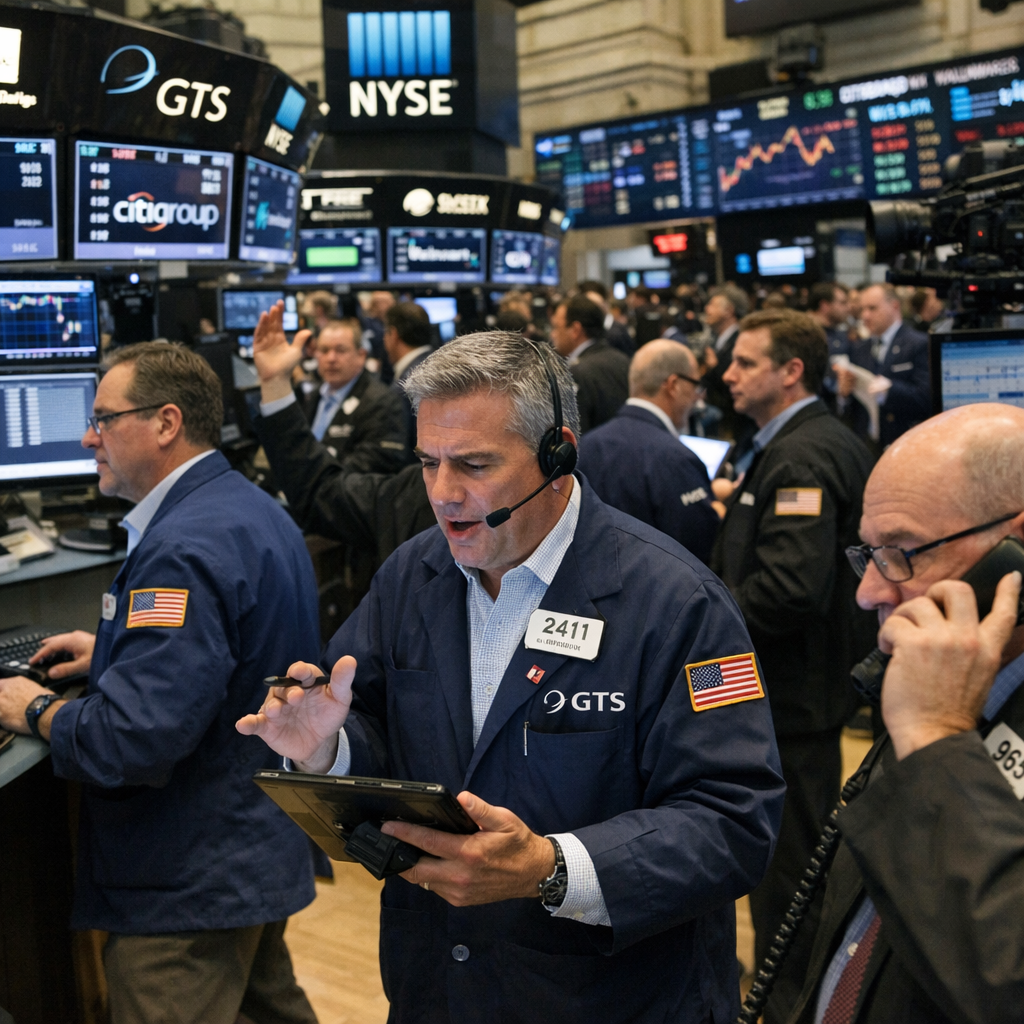
The U.S. economy is currently experiencing a complex interplay of factors affecting growth, employment, and inflation. Understanding these elements is crucial for both policymakers and citizens.
Economic Growth and Employment
Recent data indicates that the U.S. economy expanded at a sluggish 0.7% annual rate in the fourth quarter, influenced by factors such as the 43-day government shutdown. Despite this, the labor market has shown resilience, with 172,000 jobs added in May, demonstrating unexpected strength amid economic uncertainties.
Inflation and Consumer Prices
Inflation remains a pressing concern, with the rate reaching 4.2% recently. This surge is partly attributed to the ongoing conflict in Iran, which has disrupted oil supplies and contributed to rising energy prices. Consequently, the national average gas price has risen to $3.61 per gallon, impacting household budgets and consumer spending.
Federal Reserve Policies
In response to these economic challenges, the Federal Reserve has maintained interest rates, with projections indicating a potential rate cut in the near future. The Fed’s cautious approach aims to balance economic growth with inflation control, ensuring long-term stability.
Global Trade and Tariffs
Trade policies continue to influence the economic landscape. The Supreme Court’s recent ruling striking down President Trump’s reciprocal tariffs has introduced new uncertainties for consumers and businesses alike. This decision underscores the complexities of global trade relations and their domestic implications.
Looking Ahead
As the U.S. navigates these economic challenges, staying informed about policy changes and market trends is essential. The interplay between domestic policies and global events will continue to shape the economic outlook in the coming months.