

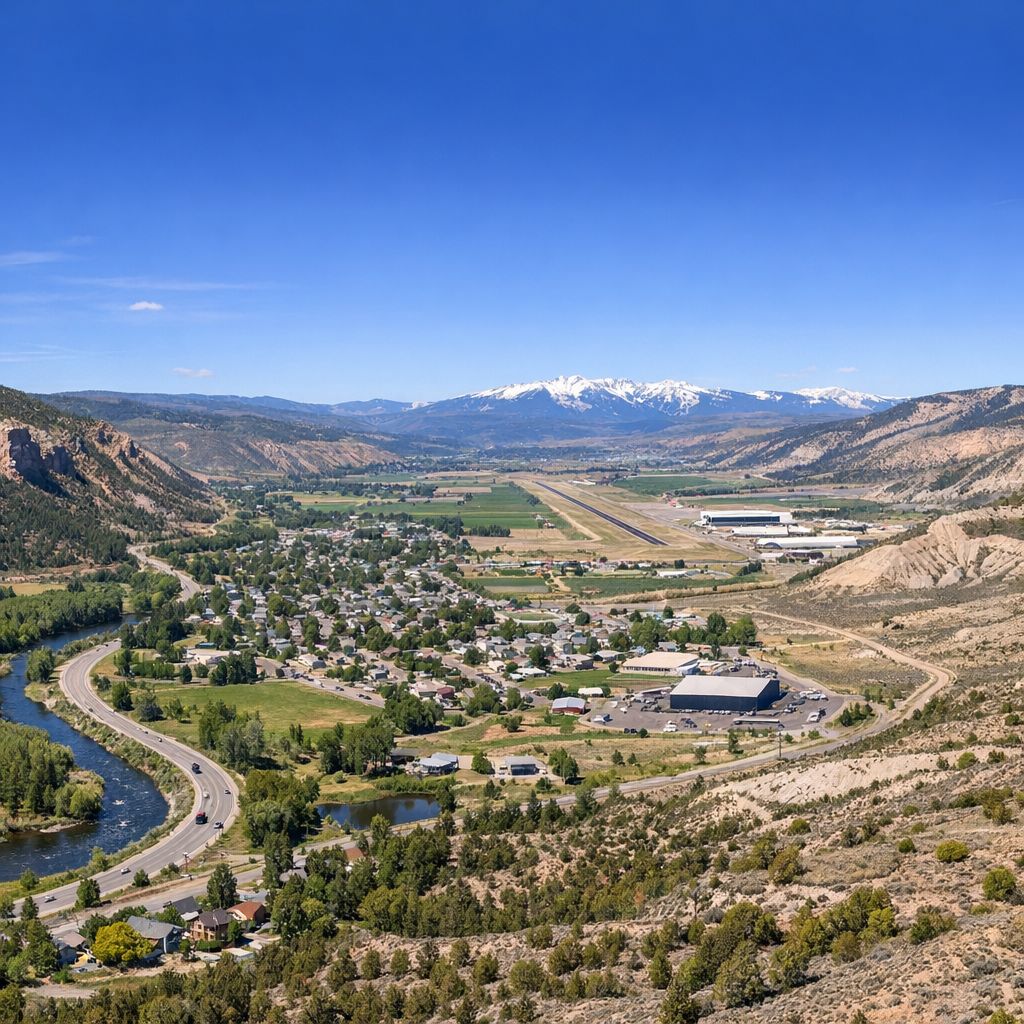
Gypsum, Colorado, nestled in the heart of the Rocky Mountains, experiences a diverse range of weather conditions throughout the year. Understanding these patterns is essential for residents and visitors alike.
Seasonal Temperature Variations
Gypsum’s climate is characterized by significant temperature fluctuations between seasons. Winters are typically cold, with average low temperatures around 10°F (-12°C) in January, the coldest month. Summers, on the other hand, are warm, with average high temperatures reaching 83°F (28°C) in July, the warmest month.
Precipitation and Snowfall
Precipitation in Gypsum is relatively moderate, averaging 12.2 inches (309.9 mm) annually. Snowfall is a common feature during the winter months, contributing to the area’s appeal for winter sports enthusiasts.
Growing Season and Frost Dates
The growing season in Gypsum is influenced by its frost dates. The average last frost occurs between May 11 and May 20, while the first frost typically falls between September 21 and September 30. This results in a growing season of approximately 120 to 140 days, suitable for various agricultural activities.
Environmental Considerations
Gypsum’s unique geological features, including its namesake mineral deposits, have implications for construction and land use. The presence of gypsum can lead to the formation of karst landscapes, characterized by sinkholes and caves, which may pose challenges for infrastructure development.
By staying informed about Gypsum’s climate and environmental characteristics, residents can better prepare for seasonal changes and make informed decisions regarding agriculture, construction, and outdoor activities.